


Winter feeding guide
View All BlogsThe daylight hours are short, the sky is often grey, and across the country, the first taste of winter has been felt. With the last year being, for many, warmer and drier than usual, the move into winter has come as something of a shock to the system. And it won’t just be us humans who will be feeling the effects; the wildlife that visits our gardens will also be finding things tough, so it falls to us, the wildlife supporters and watchers, to lend them a helping hand over the coming months.
From autumn abundance to winter scarcity
This year, autumn began early with bumper crops of berries for the birds to enjoy, but those will have either been eaten or have decayed before we even get into December. The chilled blasts from the north will have also ensured that the insects and invertebrates will have all but vanished. Cover will also be in short supply with the majority of the leaves having now fallen, making the survival over cold nights a challenge for many birds.
With some of our bird species having left for warmer climes in which to overwinter, the space they have left will have been filled with winter migrants coming into the country from even colder places. Climate change and prevailing winds impact each year on the numbers and even the species we see, but inevitably, the UK will see Redwings, Waxwings and a number of species of Geese, including Brent and Pink-footed, who will see the availability of food and shelter in the UK as a major attraction. Although you are unlikely to see geese in your garden, you may be lucky enough to see Redwings, very occasionally and even a Waxwing if you are very lucky. These outstanding birds are justification, if it is needed, to plant trees and shrubs like Rowan, Holly, and of course Ivy that bear fruit berries during the winter.
Why winter feeding matters
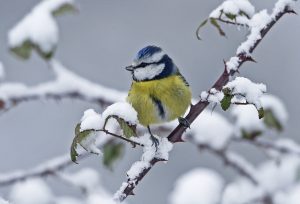
But no matter if they are visitors or residents, the birds have major priorities during winter. The cold weather means they use up more energy to keep warm, and with food sources being potentially difficult to find, they use precious energy to simply find the food. Birds will also need to keep themselves as healthy as possible for the forthcoming breeding season. No sooner will they have made it through the most challenging time of the year, than they then need to start pairing up and nest building. Nobody ever said being a bird was easy!
Species to look out for
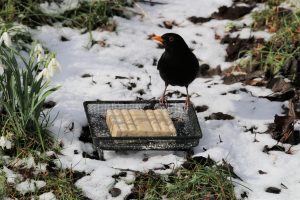
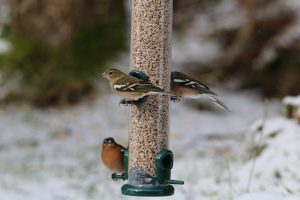
Feeders and bird tables will undoubtedly see many of their regular visitors during the cold winter months. Robins, Blackbirds, Blue tits, Chaffinches, and the ever-present Wood pigeons, but if you keep an eye on these locations, you might also see Greater spotted woodpeckers, the previously mentioned Redwings or any other members of the thrush family.
Tips for effective winter feeding
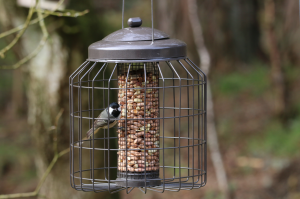
With a more diverse mix of species potentially visiting, the need to cater for them increases, so if you’ve not offered such things in the past, maybe it would be worth making food like suet, live mealworms, peanuts in a feeder or sunflower hearts available if you don’t already. But with the weather being damper, the need to keep the feeders and bird tables clean is very important. Many foods will clump up and rot quickly in wetter conditions, so it might be worth feeding a little and often so as to avoid waste. Keeping feeders clean is also of vital importance in the fight against avian flu, which continues to cause serious problems across the country. Alongside the need to provide food is the need to provide clean water, sometimes a challenge during sub-zero temperatures. Some have found that floating a ball (table tennis or similar) in the birdbath can help to avoid the water completely freezing.
What not to feed
While we think about what we should offer to the birds, there are foods we should avoid. At a time of year when we often have significant amounts of leftovers, it’s very tempting to put these out on the bird table, but in many cases, these are the last things you need to be giving to the birds. Most of the fat that comes from roasting stays soft and can easily damage a bird’s plumage, causing problems with waterproofing and insulation. Another problem with leftovers is salt. Salt is toxic to birds, and a small bird eating, for example, turkey skin or beef dripping with salt in it can become very ill.
Winter roosting
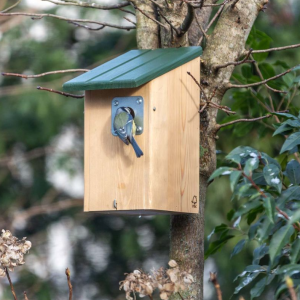
When it comes to roosting, wild birds are known for making use of nest boxes to provide cover on cold winter nights, so if you haven’t already cleaned out your nest boxes, it might be worth leaving them rather than disturbing any birds that are sheltering in them. The ideal time for cleaning them out is just after the breeding season has ended, but before the winter weather comes in.
How to contribute to conservation
The hope is that over the coming months, you will be able to help support your local bird population during the most challenging time of the year, and in doing so, you may even see some less common species. Common or not, if you don’t already do so, it might be worth recording when you see as it helps to monitor the numbers and movements of birds in your area. An ideal way to do this would be to use the BTO’s BirdTrack app. It is free to download and use, and ensures that your observations contribute to the national database of bird observations. Citizen Science at its best.