



Why Clean Water is a Lifeline for Garden Birds
View All BlogsMany of us diligently top up our bird feeders with suet balls and mealworms. And while providing food is an excellent way to support local wildlife, there is another, equally critical element that can be overlooked: a reliable supply of clean drinking and bathing water.
Why Birds Need Water
Water is fundamental to a bird’s daily survival. Unlike mammals, birds do not have sweat glands, but they still lose water through respiration and waste elimination. Maintaining hydration allows them to regulate their body temperature, digest their food efficiently, and remain active enough to evade predators and raise young. So, providing a safe water source can make your garden into a vital sanctuary for your local bird population.
A garden bird bath serves two primary functions: hydration and feather maintenance. While drinking keeps their internal systems functioning, bathing can be a matter of life and death.
The Importance of Bathing and Feather Care
A bird’s feathers are an amazing piece of biological engineering, providing insulation against  both heat and cold, as well as the aerodynamics necessary for flight. To keep them working perfectly, birds must carry out “preening.” During this process, they distribute waterproofing oils from their uropygial gland across their feathers. However, this oil can only be applied effectively if the feathers are first thoroughly washed to remove dirt, dust, and parasites. Without regular access to water, a bird’s feathers become matted, compromising their ability to fly and regulate their temperature.
Summer Can Be a Challenging Time for Garden Birds
During the summer, traditional, natural water sources like puddles, shallow ditches, and small garden streams rapidly dry up. As temperatures rise, finding a reliable drink becomes an exhausting task for birds, forcing them to expend precious energy searching far and wide.
Simultaneously, summer is the peak of the breeding and fledgling season. Parent birds are working overtime to feed demanding chicks, and young, inexperienced fledglings are exploring the world for the first time. During heatwaves, these vulnerable birds can succumb to dehydration surprisingly quickly. A well-maintained garden bird bath offers an immediate oasis that can save countless lives.
While providing water is vital, a stagnant, dirty bird 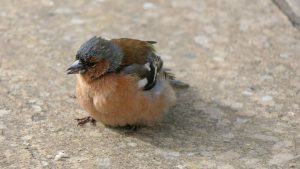 bath can quickly turn from a lifeline into a lethal trap. In warm weather, water temperatures rise, creating the absolute perfect breeding ground for dangerous bacteria, fungi, and parasites.
Two major diseases can affect UK garden birds, particularly in the warmer months, these are Trichomonosis (caused by a microscopic parasite) and Salmonellosis (a bacterial infection). Trichomonosis primarily affects finches, such as Greenfinches and Chaffinches, as well as doves. One of the main reasons for the decline in finch numbers. It causes lesions in the bird’s throat, making it impossible for them to swallow food or water, ultimately leading to starvation and dehydration.
These diseases are highly contagious and spread rapidly when multiple birds drink from or bathe in contaminated water. When an infected bird drinks, it can regurgitate saliva or droppings into the water, instantly passing the pathogen on to the next visitor.
Suggestions for a Safe Bird Bath
-
Change the Water Daily:
In hot weather, empty your bird bath every single day. Rinse away any sediment or bird poop and refill it with fresh, cool tap water.
-
Brush and Clean Weekly:
At least once a week, give the bird bath a thorough scrub. Use a stiff-bristled brush and a bird-safe disinfectant like Safe4 Feeder Disinfectant. Never use harsh household detergents or washing-up liquids, as these can strip the natural oils from a bird’s feathers.
-
Rinse Thoroughly:
If you use a cleaning solution, rinse the bath with copious amounts of clean water and allow to dry before refilling, to ensure no chemical residue remains.
-
Monitor for Illness:
Keep a close eye on your visitors. If you notice birds looking lethargic, fluffed up, or showing signs of difficulty swallowing, remove the bird bath and feeders entirely for at least two weeks. This encourages the flock to disperse, breaking the chain of infection.
Choosing the Right Bird Bath
The physical setup of your bird bath can also dictate its success and safety. The ideal bird bath 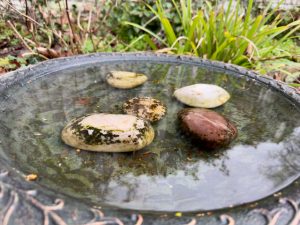 should have shallow, sloping sides, allowing birds of all sizes—from Blue Tits to larger Blackbirds—to bathe safely. The water should be no deeper than 2.5 to 5 centimetres (1 to 2 inches) at its deepest point. Placing a few rough-textured stones in the centre provides excellent perches and prevents smaller birds from slipping into deep water.
Where Should You Place a Bird Bath?
Location is also important. Position the bird bath in an open area where birds have a clear, 360-degree view of their surroundings to watch for lurking predators like cats. However, ensure there is thick cover, such as a bush or tree, within a couple of meters so they can quickly dart into safety.
A Small Action That Makes a Big Difference
Encouraging wildlife into our gardens is a rewarding experience, and by taking just five minutes out of your day to clean and refill your bird bath, you are playing a direct role in UK wildlife conservation. Providing clean water ensures that our garden birds can beat the increasingly hot weather and stay healthy.