

There are five main types of food for garden birds: · Straight seeds – for example, sunflower hearts · Seed mixes – as the name suggests these have a mix of different seeds, plus sometimes also other ingredients such as suet pellets and chopped peanuts · Peanuts – either whole or chopped · Suet product which includes fat balls, suet pellets and suet blocks · Live food with the main type being mealworms The greater variety of food you put out the greater variety of birds you’re likely to attract, with the second key point being to use the right type of feeder for each food and to cater for the way different bird species feed.
Wild Bird Seed Mixes
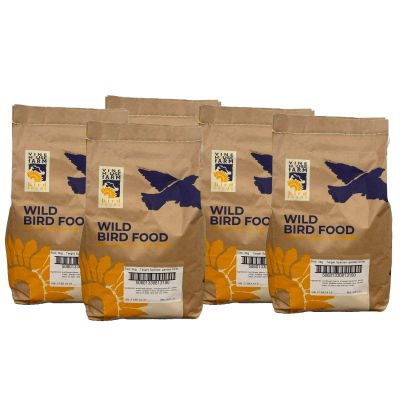
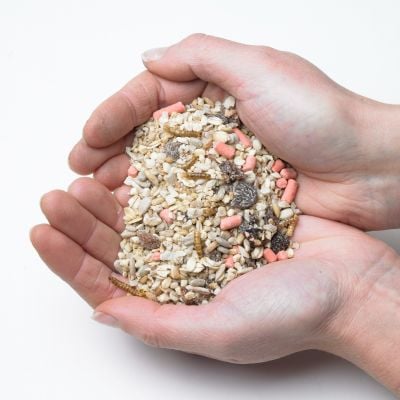
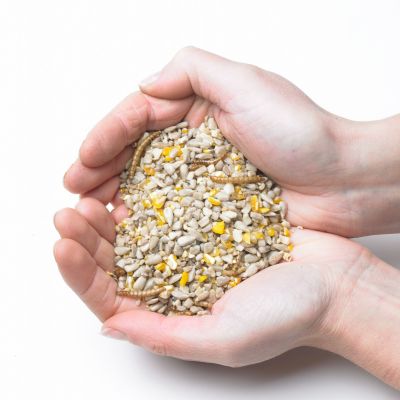
Discover our wild bird seed mixes, crafted to provide high-quality nutrition for all garden birds. We offer a wide range of mixed bird seed, from great-value everyday mixes to premium, waste-reducing husk-free combinations featuring sunflower seeds, chopped peanuts, suet pellets, and dried mealworms. Many of our seeds are grown right here on our farm, ensuring unrivalled quality control and significantly fewer carbon miles, as our homegrown seeds never leave our premises until they are dispatched to you.
-
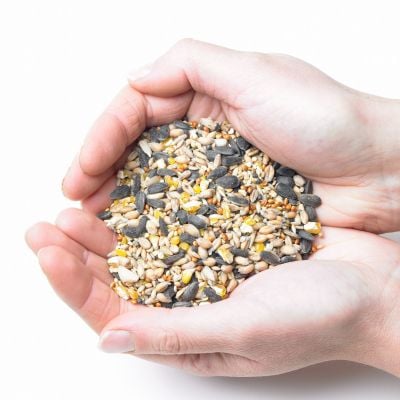 £10.75Product added to basket
-
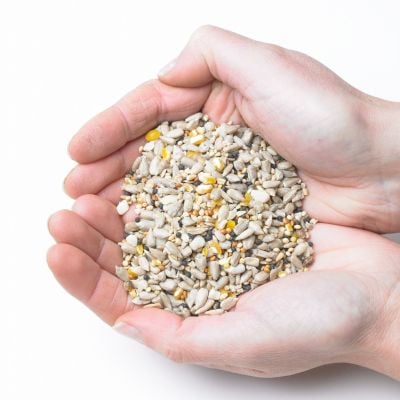 £12.50Product added to basket
-
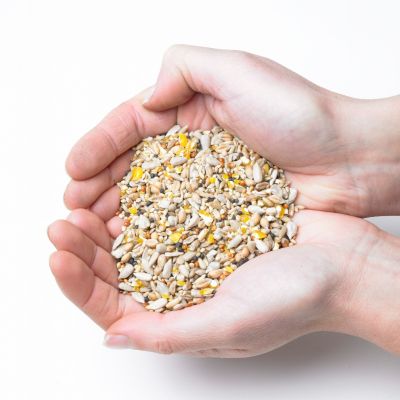 £11.00Product added to basket
-
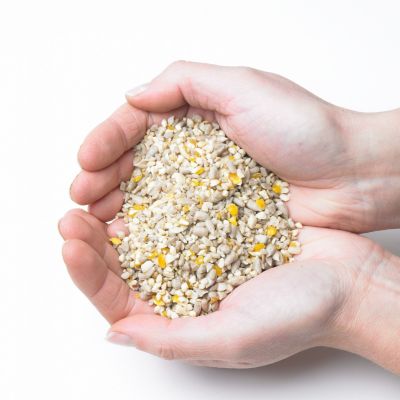 £13.25Product added to basket
-
 £14.00Product added to basket
-
 £20.00Product added to basket
-
 £21.00Product added to basket
-
 £16.00Product added to basket
-
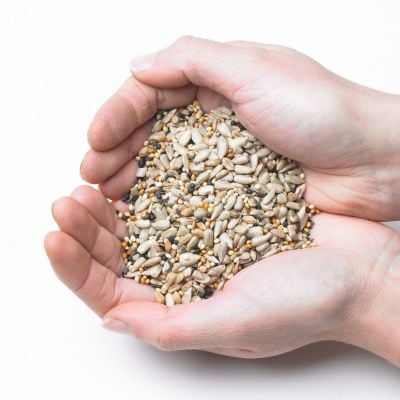 £16.75Product added to basket
-
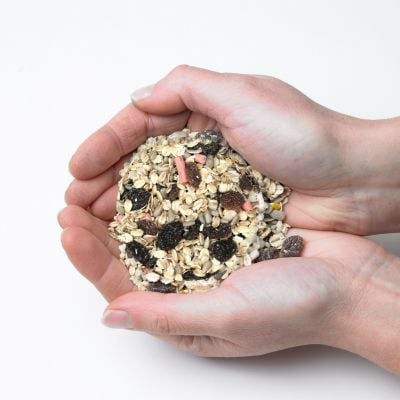 £13.25Product added to basket
-
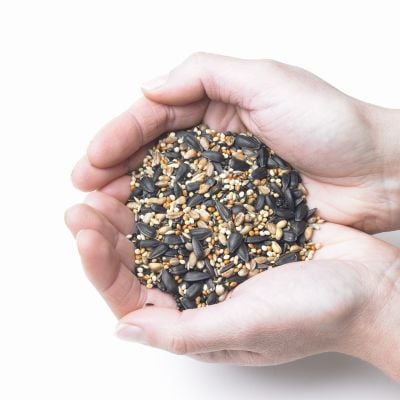 £11.00Product added to basket
Nutritious Wild Bird Seed Mixes for Your Garden
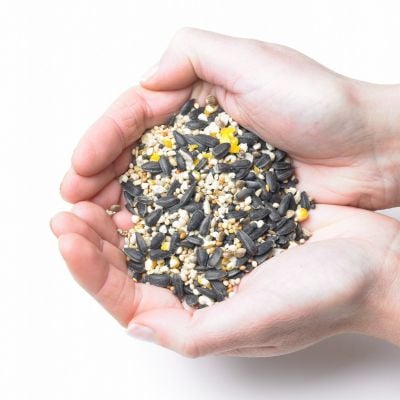
At Vine House Farm, we provide high-quality mixes of wild bird seed to attract a range of bird species to your garden. Wild bird seed mixes are perfect for convenience while providing a varied mix and year-round support for local wildlife. You can choose from a variety of options to attract species such as Robins and Finches, or select more general mixed bird seed to cater to a wider range of garden birds.
Waste-Free Bird Seed Mixes
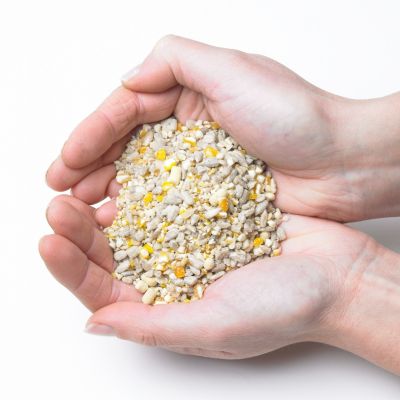
Our premium mixes are made to be waste-free, using husk-free ingredients such as sunflower hearts, which means birds can eat the entire seed without leaving anything behind.
To get the most out of our mixed bird seed, pair it with the right bird feeder. Browse our bird feeders to find the right one for your seed mix. For seed mixes, seed feeders, including hanging tube feeders and ground feeders, are a perfect choice.
We grow much of the seed directly at Vine House Farm, meaning you're supporting local British wildlife with every purchase from our conservation award-winning farm.
FAQS
What should I feed wild birds in my garden?
Can you overfeed wild birds?
No – birds that visit gardens can only consume the amount of food they need. This is why you never see obese songbirds or indeed any great difference in size for each specific species, as they’re unable to store fat in the way that, for example, most mammals can. However, in more rural areas where there’s a greater level of natural food – e.g. insects and other invertebrates in an adjacent area of native woodland to a garden – then it’s good practice to limit the amount of bird food put out during the spring and summer months, as this means birds are less dependent on it and therefore will also feed on available natural foods.
What should I not feed to wild birds?
The main foods to avoid are those which contain salt and high levels of cooked meat fat and oil. For example, the remains of a joint of meat, chicken or Christmas turkey are not suitable at all, and could lead to the death of a bird. In the case of fat which is all or partly liquid on food, this isn’t just about what a bird consumes but also the damage to its plumage which can hinder flight. Bread should also be avoided as it contains little or no nutritional benefit to birds.
Why do birds throw seed out of feeder?
There are three main reasons for this: The first is that the seed or seed mix is poor quality and is simply rejected by birds as they search for something better. So always buy high quality seed and seed mixes such as ours at Vine House Farm.
The second is that some species will favour certain seeds within a mix, and will therefore throw others out as they hunt for them. For example, if the seed mix contains sunflower hearts then some species will take only these – Coal tits are a good example of this behaviour.
The third reason, and there’s some evidence for this, is that some birds search out what they see as the ideal size of seed and even when the type is the same. For example, Coal tits, again, can often be seen discarding black sunflower seeds before finally settling to take a specific one.
How often should I change my bird feeder’s food?
Food in bird feeders should only ever need changing if it’s old, has deteriorated and has developed mould – this of course meaning that birds haven’t eaten it for some reason. This is most likely to occur if the food is poor quality, or it could be the location of the feeder is off-putting to birds. For example, if the feeder is too close to a busy walkway.
What happens if I stop feeding birds?
The birds will simply move on and look for food elsewhere, but obviously this isn’t ideal as local populations often become dependent on a particular food source. A good example would be House sparrows in suburban regions, with this gregarious species typically feeding, roosting and breeding in a very contained area – so perhaps in and around a cluster of homes and gardens.
When should I feed wild birds in my garden?
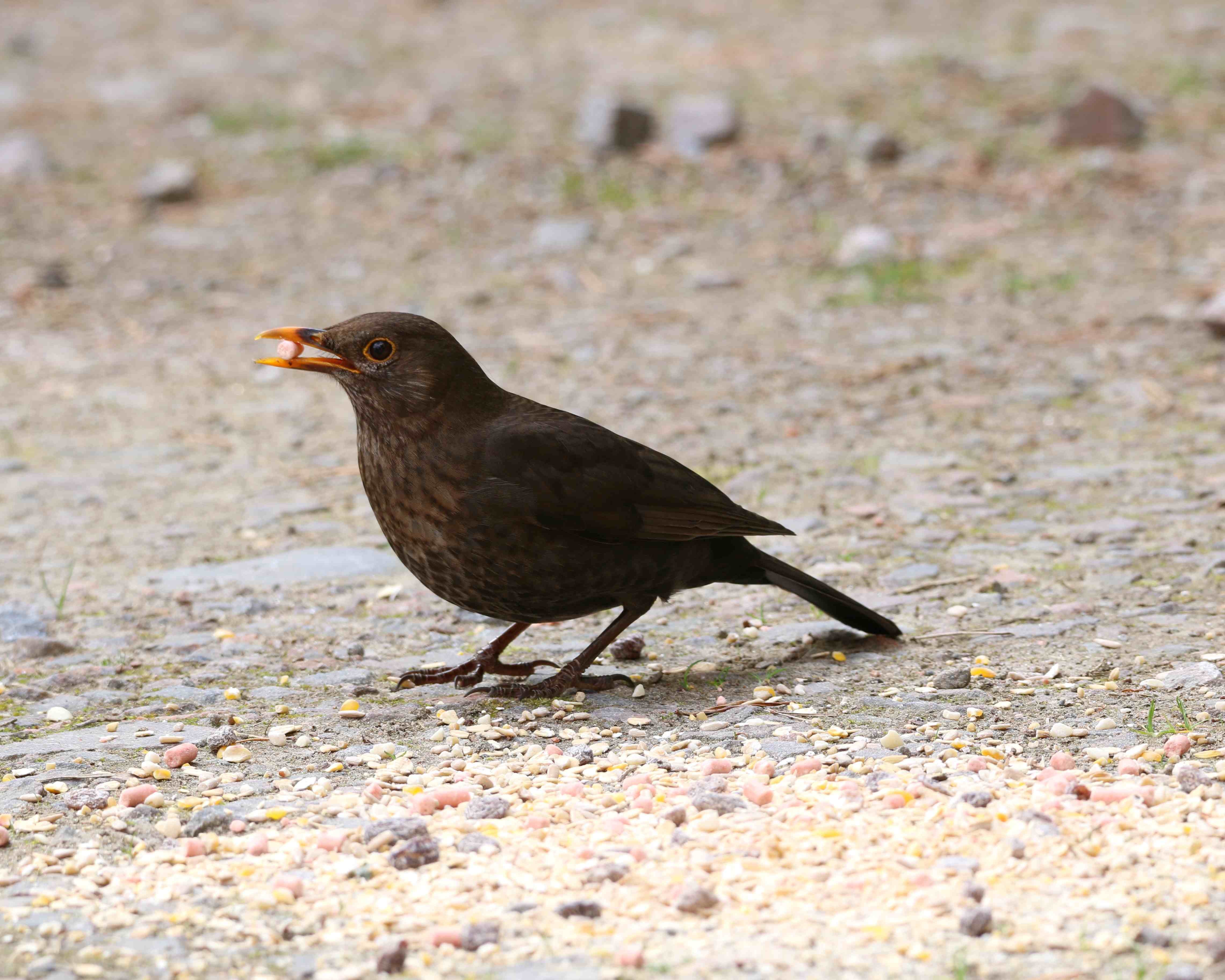
The most important time of year is the winter, and for the obvious reason that natural food availability is at its lowest. Populations of some of our common garden birds like Blackbird and Chaffinch are also swollen in the winter months, as Autumn sees a huge influx of migrant birds from northern mainland Europe which then return in the spring. So it’s good to be able to feed these visitors as well.
As for the rest of the year, in most locations it’s still important to carry on feeding garden birds and even into the summer. The main reason for this is the huge reduction in invertebrates (most notably flying insects) over recent decades, with this loss of natural food for songbirds coming as a result of pollution, modern farming methods, land use and climate change.
The other main factor to consider is where you live and the level of natural food available. For example, in both very urban areas and those with intensive arable farming, the level of natural food throughout the year will be limited. Whereas, a rural area which is rich in different habitats and including mature native woodland, will have far more natural food for birds.
How often should I change my bird seed?
It shouldn’t need changing at all, as provided the seed is good quality and the feeder is in the right place in your garden, then the seed will be eaten. As for how often it should be refilled, the answer is simply to keep it topped up and not allow it to become completely empty – there are two main reasons for this:
The first is that it can take some time to initially attract birds to a garden with food, so if the feeder becomes empty and is left for a day or two then the whole process needs to start again.
The second is that as a feeder becomes progressively less full, then birds can’t access food from some ports, with this resulting in them wasting valuable energy as they squabble over the few remaining ports which have food behind them.
Where does your bird seed come from?
Much of the bird seed we sell is grown on our farm, with this including black sunflower, white millet, red millet and oil seed rape. What we can’t grow we have to buy-in, with this including sunflower hearts from Bulgaria.
How will birds know that I have put out bird seed for them?
Most of the species of bird which typically visit gardens will instinctively fly around looking for food, and from a young age will have quickly learnt the association between a feeder’s shape and food. In addition, once a few birds are attracted then others flying past will see the feeding activity and be attracted by it. This behaviour is especially the case outside of the breeding season, as birds are no longer confined to a territory. In addition, even relatively solitary species such as Blue tit will join other species of tit in the winter months to form loose flocks, which will then keep on the move in the search for food.